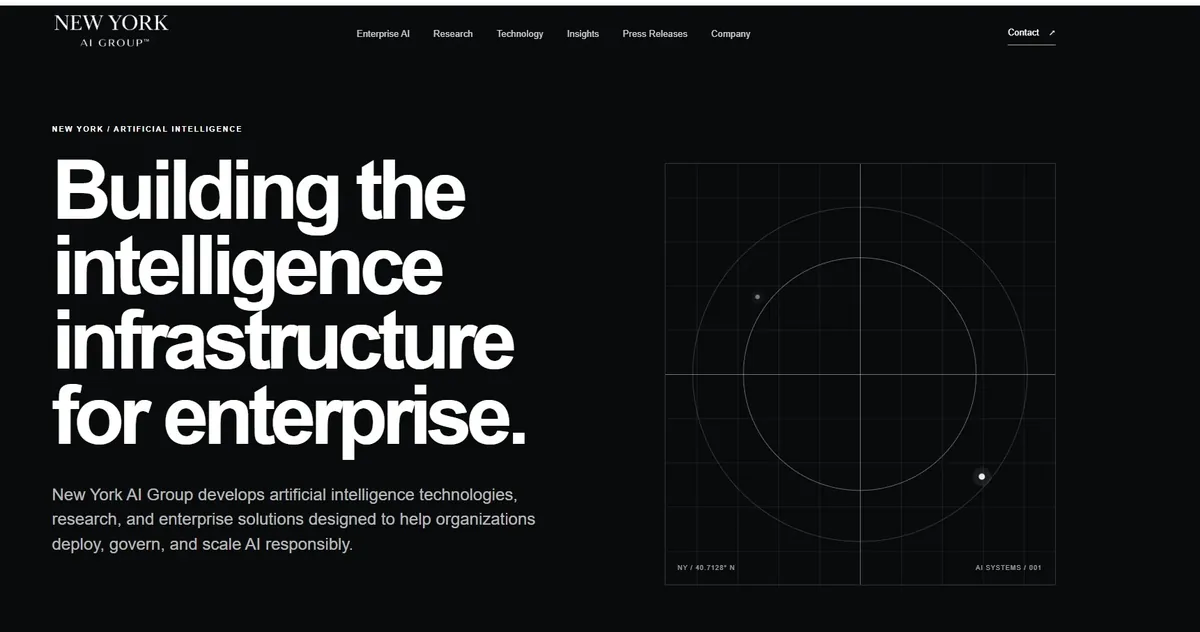
Branding is often mistaken for a logo project. A logo is important, but it cannot answer every question a customer has about an organization: what it stands for, who it serves, why it is different, and whether it can be trusted. Those answers come from a coherent brand strategy expressed through words, experiences and visual identity.
A strong brand provides a useful framework for business decisions. It influences how an organization introduces its services, presents its work, communicates in marketing, and behaves across customer touchpoints. This guide explains how to develop that system without losing clarity or becoming trapped in trends.
1. Define what the brand needs to accomplish
Branding work starts with a commercial and organizational purpose. A new company may need to establish immediate credibility and distinguish its proposition. A growing company may need to align several offerings under one identity. An established organization may be repositioning for a new market or audience.
Define the intended outcome in operational terms. Is the goal clearer recognition, a more coherent service architecture, stronger sales materials, a reliable design system, or more consistent communications? These are better starting points than simply asking for a “modern logo.”
Document the current business situation, target audiences, offer, competitive context, constraints and timeline. Identify what must remain familiar during a redesign and what must change. Rebranding without this context can create polished assets that confuse existing customers.
2. Understand the audience and competitive context
Different buyers evaluate brands differently. A procurement team may focus on stability, evidence and delivery capacity. A founder may value responsiveness and creativity. Event audiences may need emotion and discovery; enterprise decision-makers may need clarity and risk reduction.
Conduct focused research rather than collecting decorative inspiration boards alone. Review customer questions, sales conversations, common objections, existing analytics and relevant competitor communications. Capture the words people naturally use to describe their needs. Where possible, speak with current customers and internal stakeholders about which expectations the organization consistently meets.
Competitor reviews should identify patterns, not encourage imitation. Record frequently used colours, terminology, promises, visual treatments and category conventions. The goal is to understand where differentiation matters and where familiar signals help customers make sense of an offering.
3. Clarify positioning and the value proposition
Positioning answers a practical question: why should the intended customer choose this organization for this job? It should be specific enough to guide website copy, sales conversations and service development.
A positioning framework can include:
- Category: What kind of organization is this?
- Audience: Who benefits most from the service or product?
- Problem: What high-value problem does the organization solve?
- Approach: How is the work delivered?
- Difference: What is distinct and credible about the offer?
- Evidence: What experience, process, qualifications or documented results support the claim?
Avoid unsupported superlatives such as “the world’s best” or “guaranteed results.” A believable and useful promise is stronger than an impressive-sounding claim that cannot be verified. Positioning should inform real product, marketing and operational decisions, not remain isolated in a brand presentation.
4. Build a brand architecture that visitors can understand
Organizations with several services, products or operating names need an intentional architecture. Should every offer sit beneath one parent identity, or should specific offerings have their own names and presentation? The right answer depends on audience overlap, business strategy, operational complexity and the value of existing recognition.
Too many independent brands increase maintenance, content and marketing requirements. Too few distinctions can make unrelated services difficult to explain. An architecture exercise should map the master brand, core services, sub-brands, websites and relevant audience journeys.
From a website standpoint, the structure should be visible in navigation and content. A visitor should understand whether “Branding,” “SEO” and “Web Development” are services provided by one agency or unrelated businesses. Clear parent-brand language makes cross-service discovery easier.
5. Develop a visual identity system, not a single mark
The core identity typically includes a primary logo, secondary lockups, iconography, typography, colour palette, spacing principles, image direction, layouts and common application examples. Digital brands also need favicons, social-sharing imagery, accessible colour alternatives and responsive logo behavior.
Evaluate marks at real sizes. A complex symbol that works on a large pitch deck may fail as a 32-pixel browser icon. A wordmark should remain legible in a mobile navigation bar. Trademark symbols should sit intentionally after the brand name rather than interrupting the identity or becoming disproportionately prominent.
Create rules for contrast, clear space, minimum display size and use on light or dark surfaces. Test the brand on a website, proposal, presentation, email signature, social profile and PDF—not just a studio mockup. Strong identity systems remain recognizable across all of these formats without requiring every artifact to look identical.
6. Establish a distinctive and useful voice
Brand personality is communicated through words as much as through graphics. Tone choices influence whether an organization feels trustworthy, technical, approachable, premium or confusing. Nielsen Norman Group research has examined how variation in tone of voice changes users’ perceptions of brands, including trustworthiness.
Write a practical editorial guide covering sentence length, preferred terminology, claims, formatting, capitalization, service descriptions, calls to action and words to avoid. Give examples of what the organization would and would not say. A technical brand might prioritize precision and simplicity; a creative lifestyle brand might adopt a more expressive voice while retaining clarity.
Consistency should not become rigidity. A pricing page requires straightforward language, while a campaign may have room for expressive storytelling. The underlying brand promise should remain recognizable in both.
7. Translate the brand into a high-performing website
A brand launch should not end at asset export. The website is often the clearest expression of how an organization thinks and operates. Translate identity choices into typography, navigation, content hierarchy, project presentation, interactions and responsive behavior.
The best results come when brand strategists, designers, developers and SEO specialists collaborate early. A visually distinctive interface must remain readable and navigable. Strong photography or animation should not obscure the offer. Technical constraints should be understood before critical design decisions are finalized.
Connect brand pages naturally to the services they support. For example, a visitor reviewing an identity system may also need web development for a new website or marketing strategy for launch. This is useful cross-service navigation, not forced keyword repetition.
8. Prepare the brand for search and social discovery
A consistent name, clear organization description and stable site identity make digital discovery easier. Use a distinctive site title, a useful homepage description, consistent social profile naming and a recognizable logo. Provide a well-designed Open Graph image and verify how it renders in previews.
SEO is not simply adding the brand name to every page. Service and resource pages should target their own user questions, while About, Contact and project pages help visitors evaluate credibility. A well-structured site helps search engines understand the organization and its offerings, but no metadata choice can guarantee a particular rank.
Brand teams should also maintain naming conventions for media assets, logo variants and downloadable documents. File hygiene reduces confusion and prevents outdated marks from remaining in circulation after a rebrand.
9. Launch with governance, not just a reveal
Brands become inconsistent when no one owns their day-to-day use. Assign responsibility for approvals, asset distribution, website updates, social profile changes, presentations and external partners. Provide reusable templates rather than expecting every employee or supplier to invent their own version of the identity.
A practical rollout plan includes an inventory of existing touchpoints, a phased replacement schedule, a primary asset library, updated website navigation and SEO metadata, internal communications, and a process for handling exceptions.
Measure whether the system improves clarity and reduces friction. Useful indicators may include branded search demand over time, quality of incoming inquiries, audience understanding in interviews, content-production consistency and internal adoption. Interpret changes cautiously: marketing activity and business conditions may also affect results.
10. A useful brand-system checklist
Before considering a project complete, confirm that the team can answer the following:
- Can the intended audience understand the value proposition in straightforward language?
- Are positioning statements supported by genuine capabilities or evidence?
- Does the identity work at mobile, desktop, print and favicon sizes?
- Are typography, colour, photography and motion guidelines documented?
- Are voice and content conventions clear to writers and marketers?
- Is the service architecture easy to understand in navigation?
- Do site titles, social previews and public profiles use consistent branding?
- Is there a responsible owner for future brand decisions?
A brand becomes valuable when it reduces uncertainty for customers and decision-makers. That requires a coherent strategy, reliable execution and ongoing stewardship—not only a memorable visual mark.
Further reading
- Nielsen Norman Group: The Impact of Tone of Voice on Users’ Brand Perception
- Nielsen Norman Group: Content Standards in Design Systems
- Google Search Central: SEO Starter Guide
Considering a new identity or repositioning? Explore Shift Agency’s branding services, review selected Projects and start a conversation about your goals.